Financial Education Testing, Evaluation, and Program Insight Tools
High impact financial education doesn’t happen by accident – it’s built on programs that create real, measurable change. The most effective initiatives go beyond teaching facts; they track how learning transforms attitudes, behaviors, decision making systems, and ultimately real world financial outcomes. With structured financial education assessments, educators and organizations across the MENA region can confidently measure participant progress and showcase meaningful program results.
A powerful learner experience is just as essential. Successful programs are crafted with thoughtful preparation, delivered with professionalism, and supported with ongoing reinforcement that turns new knowledge into lasting behavior change. The NFEC equips MENA based educators with a full suite of customizable training resources – including preparation checklists, facilitation tools, outcome measurement systems, and reinforcement materials – all designed to help you deliver consistent, high quality financial education at scale.
Financial Literacy Evaluations & Tests
The true purpose of any financial education initiative is simple: create real change that lasts. Knowledge alone isn’t enough. To drive outcomes that follow learners far beyond the classroom, you need to understand progress from every angle – what people know, how they feel, how they behave, and the choices they make when it counts.
That’s where the NFEC’s assessment ecosystem steps in. Our comprehensive, audit ready measurement suite goes far beyond basic recall. Fully customizable and mapped to core competencies, these tools capture the full story of learner growth – giving you the evidence you need to show stakeholders that your program doesn’t just inform people; it transforms them.
With ten customizable assessments and hundreds of items in the full bank, you can measure sentiment, behaviors, systems, and long term outcomes with precision. These assessment banks include targeted measures across key dimensions, ensuring that you can demonstrate meaningful, measurable impact.
Behaviors
Observable actions that support their journey to becoming effective stewards of their finances.
Systems
The routines, tools, or structures they’ve developed to support their personal finance management.
Stage of Change
Their readiness and willingness to apply what they’ve learned.
Sentiment
Their feelings, confidence, and mindset toward applying what they learned in the lessons.
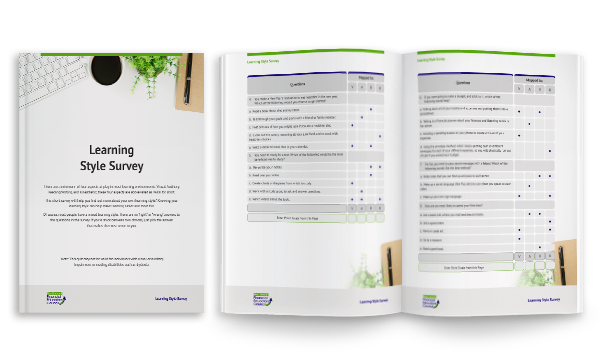
Learning Style Survey
Measure how learners prefer to receive, process, and engage with information.
Interest
Their level of engagement and motivation to learn the subject matter.
Content Knowledge
What learners understand about teaching personal finance topics. (Available with curriculum only.)
Support
The networks, resources, or people they access to help them succeed.
Actions
Specific steps learners take as a direct result of the training.
Outcomes
Real-world impact and measurable results stemming from their learning experience.


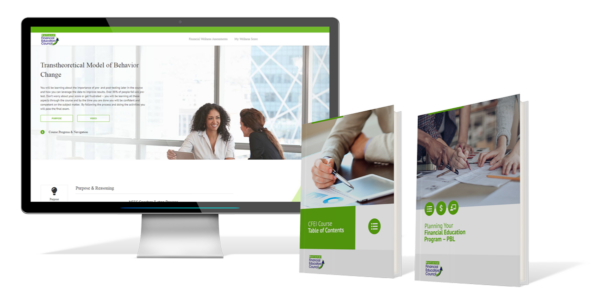
Tools to Enhance the User Experience
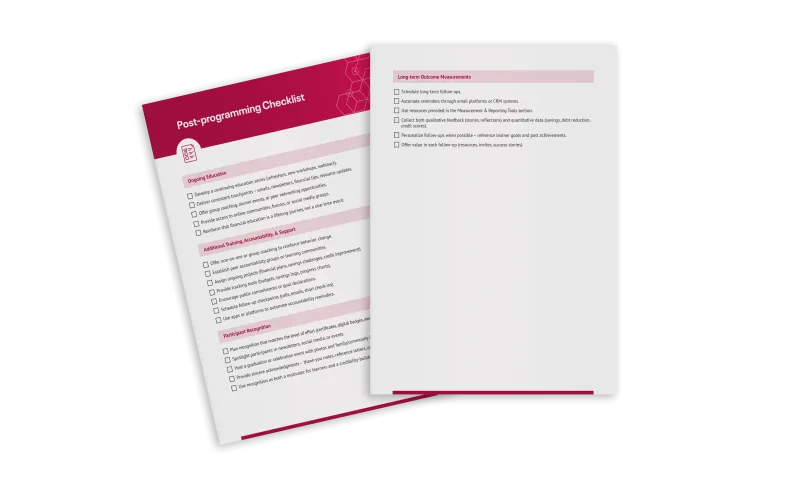
Running a high quality financial education program requires more than strong curriculum – it demands intentional preparation, professional facilitation, and consistent reinforcement that transforms learning into lasting behavior change. To support you in delivering a truly world class experience, we provide a comprehensive suite of resources that guide you from pre program planning through implementation and post program follow up.
These tools streamline preparation, promote consistency across facilitators and locations, and ensure that every session meets professional standards with clearly defined learning outcomes. All components are fully customizable to your organization’s brand and context – from registration workflows and facilitator checklists to outcome measurement systems and ongoing educational content – allowing you to deliver a seamless, professional learner experience.
This complete package enables you to focus on what matters most: creating meaningful learning environments that build knowledge, shift behaviors, and support participants in achieving long term financial well being.